


Why blood pressure risk is not the same for everyone
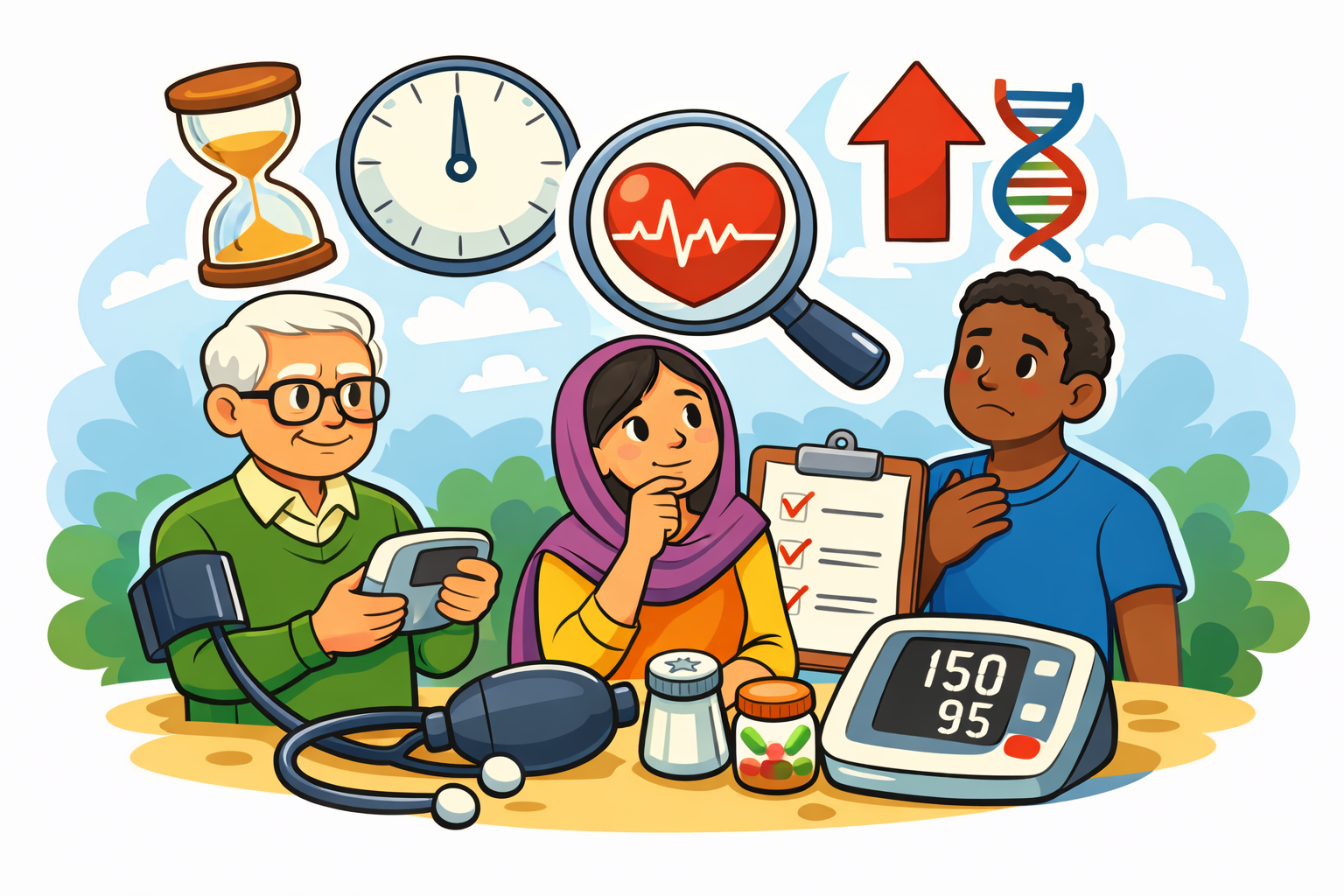
When people talk about blood pressure, it can sound as though the advice is the same for everybody. That advice still matters, but blood pressure risk is not the same for everyone.
Some people are more likely to develop high blood pressure because of their age, their family history, or their ethnic background. The NHS suggests the risk goes up as we get older, and it is also higher in people from Black African, Black Caribbean, or South Asian ethnic backgrounds.
That does not mean high blood pressure is guaranteed, it just means some people have more reason to keep an eye on it.
One of the biggest factors is age. As we get older, our blood vessels become less stretchy, and that can make blood pressure rise over time. It’s one reason why blood pressure checks become more important with age, even if you feel perfectly fine. High blood pressure often does not cause obvious symptoms, so it can be there quietly in the background for quite a while.
Ethnicity can play a part too. Knowing that some groups have a higher risk is not about labelling people. It is about helping people get checked earlier and get the right support sooner. In the UK, this matters particularly for people from Black African, Black Caribbean, and South Asian backgrounds, because high blood pressure can sometimes appear at a younger age too.
Of course, blood pressure is never about one thing on its own. Lifestyle still matters a lot. Eating too much salt, being overweight, smoking, drinking too much alcohol, and feeling stressed over a long period can all increase your risk. Family history matters as well. So it is usually a mix of things, not one simple reason.
That is why checking your blood pressure is so helpful. It gives you something real to work with. If you know you may be at higher risk, whether that is because of your age, your background, or high blood pressure running in the family, it makes sense to know your numbers.
Another reason blood pressure advice is not exactly the same for everyone is that targets change with age. NICE says that if you are checking blood pressure at home, the usual target is below 135 over 85 if you are under 80, and below 145 over 85 if you are 80 or over. NICE also says doctors should use clinical judgement for people because context matters such as other illnesses or diseases that may be affecting a person. Risk is personal. Two people can have very different chances of developing high blood pressure, even if they seem broadly similar on the surface.
The good news is that high blood pressure is one of those things you can actually do something about. You can check it. You can monitor it. And if it is high, there are clear ways to bring it down, whether that is through lifestyle changes, medication, or both. The earlier you know, the more options you usually have.
So if you are getting older, if high blood pressure runs in your family, or if you are from a Black African, Black Caribbean, or South Asian background, don’t be worried. See it as a reason to be informed about your blood pressure. Knowing your blood pressure and your risk isn’t bad news, it just helps you figure out the next steps a bit easier!