


Don’t Let Dry Skin Lead to Diabetic Foot Ulcers
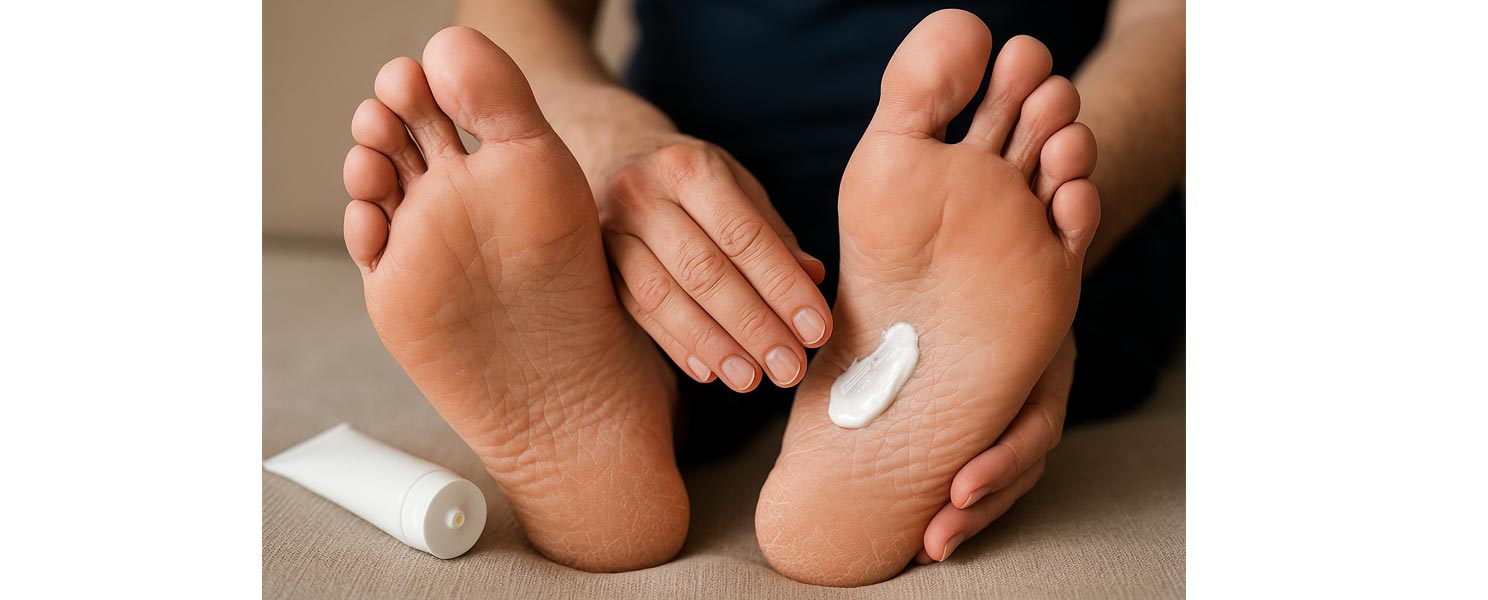
One of our research papers on diabetic foot ulcers, published in BMJ Open Diabetes Research & Care, highlights that dry skin is more than a minor discomfort—it significantly increases the risk of developing foot ulcers in people with diabetes. The study followed 1,810 individuals without existing ulcers, tracking various factors over time. Among the strongest predictors of future ulceration were dry skin and nail ingrowth, each increasing the risk by more than four times. While neuropathy, poor circulation, and loss of sensation are well-recognized risk factors, this study highlights the need to pay closer attention to skin health in diabetic foot care.
Dry skin compromises the skin’s integrity, making it more prone to cracks that allow bacteria to enter, increasing the risk of infection. Neuropathy further complicates the issue—people with diabetes may not feel minor injuries, allowing wounds to worsen unnoticed. The study also found that impaired temperature perception was linked to ulcer risk, suggesting that those with a reduced ability to sense warmth or cold may be less aware of skin damage. These findings emphasize the importance of proactive foot care to prevent small skin issues from developing into serious complications.
Maintaining well-hydrated skin and healthy nails is a simple but essential step in reducing the risk of foot ulcers. A daily routine that includes checking for dryness, using a clinically recommended moisturizer, avoiding harsh soaps, and keeping nails well-trimmed can help protect the feet. Blood sugar control remains critical, as it supports overall skin health and reduces the progression of neuropathy. For those with diabetes, foot care isn’t just about watching for wounds—it’s about keeping the skin strong and resilient before problems arise.
References:
Naemi, R., Chockalingam, N., Lutale, J. K., & Abbas, Z. G. (2020). Predicting the risk of future diabetic foot ulcer occurrence: a prospective cohort study of patients with diabetes in Tanzania. BMJ Open Diabetes Research & Care, 8(1), e001122. https://doi.org/10.1136/bmjdrc-2019-001122