


Do older people still need to eat the same as younger people?
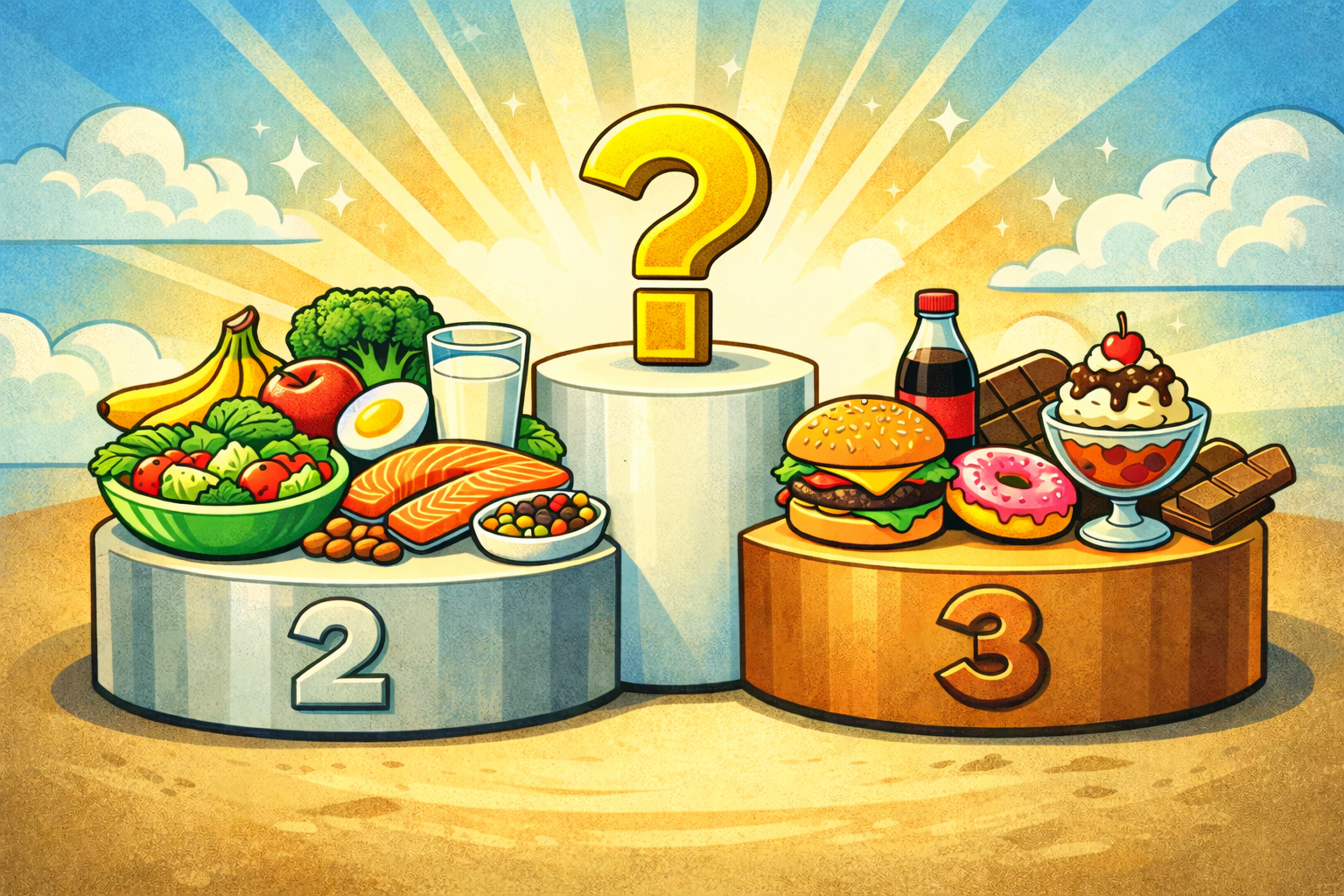
Do older people still need to eat healthily?
Most of us grow up with the same health messages. Try to get your 5 A Day, eat more vegetables, go easy on fatty foods, and keep an eye on sugar. Those basics still matter at any age, because fruit and veg give you fibre, vitamins and minerals, and the NHS still recommends at least 5 portions a day. But here is the bit that people do not always hear. Your nutrition priorities can change as you get older. In my work across primary care and hospital settings, I have seen this again and again. Many people keep following the “low fat, light meals” mindset even when their appetite drops and their body needs more help to stay strong.
When you are older, strength matters
As we age, it gets easier to lose muscle and strength, especially if you are less active, unwell, or eating less than you used to. That matters because muscle supports balance, mobility, and day to day independence. If someone is becoming frailer, the bigger risk is often not “too much pudding”. The bigger risk is not getting enough energy and protein to keep their body going. Loss of appetite is common in later life, and if portions get smaller, food needs to work harder. Dietetic Associations talk about how older adults may need smaller, more energy dense meals when appetite is low.
So what should change if your appetite is smaller?
If you are eating well and enjoying food, brilliant. Keep going with the Eatwell Guide approach across your week, and keep fruit and veg in the mix. But if you are finding you fill up quickly, or you are unintentionally losing weight, it can help to shift the order of priorities. A really practical rule is this. Get the most nourishing parts in first. That often means starting with the protein and higher energy parts of the meal, then moving on to vegetables and lighter sides.
And yes, sometimes sweet treats have a place!
If an older person is frail, underweight, or not eating enough, adding extra calories can be a sensible short term step. That might include full fat yoghurt, cheese and crackers, milky drinks, or a dessert after a meal if that helps them meet their needs. It is not about “anything goes”. It is about choosing what is most helpful for the body right now.
A quick reality check
If you or someone you care for is losing weight without trying, eating much less than usual, or feeling weaker, it is worth speaking to your GP practice. There may be a treatable cause, and you may be able to get support from a dietitian. Also, if you have diabetes, kidney disease, swallowing problems, or you have been told to follow a specific diet, get personalised advice before making big changes.
One last thing
When health advice feels doable, people are more likely to use it. In evaluations of myhealthkits, many people reported using the tools regularly and feeling more confident managing their health at home. Food is the same. The best plan is the one you can actually keep doing. So yes, older people still benefit from healthy eating. But “healthy” might look a bit different now. Sometimes it looks like a smaller plate, eaten more often, with a little more protein, a little more energy, and a lot more forgiveness.